Emergency Plumbing
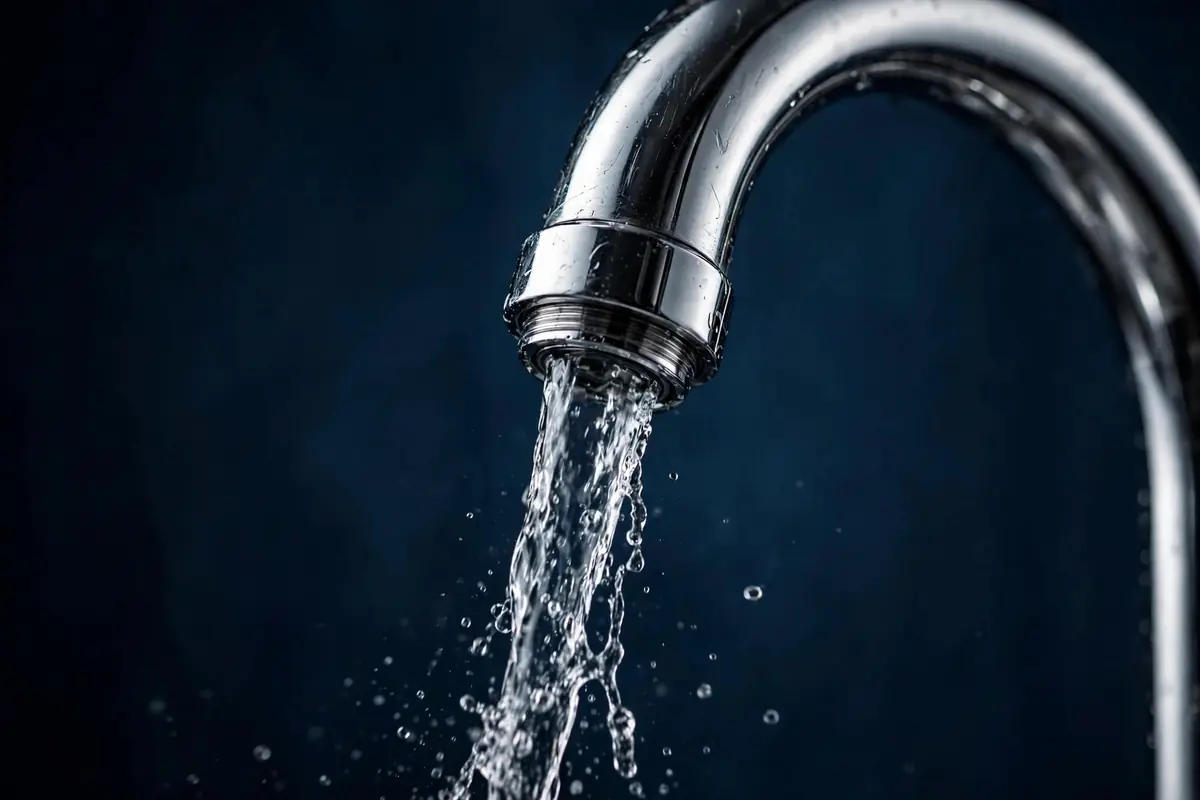
Burst pipes, sewage backups, and major leaks need fast, calm action. We help Fort Monroe homes and buildings stop the damage first, then fix the cause — any hour of the day or night.
Learn MoreHistoric-Property Plumbers at Old Point Comfort
Fort Monroe isn’t a suburb with new construction. It’s a 561-acre former Army post where the plumbing in a brick officers’ quarters may be older than most houses in Hampton Roads. A leaking joint here isn’t just a leak — it’s a leak inside a piece of history.
Fort-Monroe-Plumber is a local plumbing company built around that reality. We repair, replace, and install plumbing for the homes and buildings of Fort Monroe, Virginia — from cast-iron drain stacks to modern fixtures — with the care old structures demand.
Old Post.
Honest Plumbing.

Keeping
Old Point
Flowing
Strong.
Some plumbing problems can wait for a scheduled visit. Others need attention before water reaches plaster walls, hardwood floors, or original woodwork that can’t be replaced at a hardware store.
If water is spreading from a broken pipe, close the nearest accessible shutoff valve if it is safe to reach. For a sewage backup, stop using the affected sinks, showers, and toilets until the problem is evaluated. Keep away from standing water near electrical outlets or appliances.
A water heater that has gone cold, drains that keep slowing, and fixtures that drip around the clock may also need a professional look, even when nothing is flooding.
When you call, tell us what you’re seeing, which building it’s in, and when it started. Those details point to the right service faster than guessing.
Why Fort Monroe Plumbing Is Different
Fort Monroe began as a coastal fortress at Old Point Comfort, where the harbor of Hampton Roads meets the Chesapeake Bay. The largest stone fort in the United States still stands here, ringed by its moat, beside the Old Point Comfort Lighthouse that has watched the point since 1802. In 2011 the post became Fort Monroe National Monument, and today the Fort Monroe Authority — a political subdivision of the Commonwealth — stewards a small, living community of historic homes and working buildings.
That history lives inside the walls. The 19th-century brick officers’ quarters, converted barracks, and village homes around the parade ground carry plumbing from many eras: cast-iron and galvanized supply and drain lines, clay sewer laterals running beneath a mature historic tree canopy, and fixtures added or replaced over decades of Army and civilian use. New copper or PEX often meets century-old iron at a single joint.
This is not the kind of place where a plumber should cut first and ask questions later. Work inside a National Monument community has to be preservation-aware: open as little as possible, disturb as little as possible, and match new work to what’s already there. A burst supply line in a quarters building threatens plaster, heart-pine floors, and trim that was milled generations ago — so diagnosis matters more here, and demolition is always the last resort.
Water reaches Fort Monroe through a system operated by the Fort Monroe Authority with Veolia, and wastewater flows through FMA-owned sewer lines to HRSD. The water runs moderately soft, around 4 to 6 grains per gallon. Salt air and tidal flooding are honest facts of life on this peninsula, and they age exposed metal faster than inland air would. Winters can dip into the 20s, which is cold enough to freeze an unprotected pipe.
Fort-Monroe-Plumber works as an independent local company for this one community. Call (855) 913-0016 any time — day, night, weekend, or holiday — and talk through what’s happening with people who know these buildings.
Our Services
Every service below is available across Fort Monroe, 23651. Not sure which one fits? Call and describe the symptoms.
Burst pipes, sewage backups, and major leaks need fast, calm action. We help Fort Monroe homes and buildings stop the damage first, then fix the cause — any hour of the day or night.
Learn MoreAn active pipe failure inside a historic wall or under a brick walk is urgent. We contain the water, then repair the damaged section with respect for the structure around it.
Learn MoreDripping faucets, running toilets, worn valves, and tired fixtures. Everyday repairs done right the first time, with parts matched to your home's existing plumbing.
Learn MoreA climbing water bill or a damp spot with no clear source calls for detective work, not demolition. We narrow down hidden leaks before any wall is opened.
Learn MoreOld clay laterals under mature trees are a classic Fort Monroe combination. When cleaning no longer holds, we investigate the line and recommend a repair that fits the pipe and the property.
Learn MoreSlow sinks, sluggish showers, and stubborn clogs cleared properly — without harsh chemicals that punish old cast-iron and galvanized drain lines.
Learn MoreFrom the service line to the last fixture run, we repair damaged supply piping and install new water lines sized for the building they serve.
Learn MoreNo hot water, strange noises, or a weeping connection? Many heater problems come down to a failing part, and a good diagnosis comes before any decision.
Learn MoreWhen a tank is done — leaking, deteriorated, or failing again and again — we size and install a replacement suited to the home and its hot-water habits.
Learn MoreNew setups, relocations, and renovations: planning a water heater for a space that never had one, or reshaping the system during a remodel.
Learn MoreEndless hot water from a wall-mounted unit — but only when it's sized to real demand. We install, service, and repair tankless systems for Fort Monroe properties.
Learn MoreToilets, faucets, showers, tubs, and vanity drains in homes where the fixtures may be newer than the pipes behind them. Room-by-room plumbing that respects both.
Learn MoreSink backups, disposal trouble, dishwasher connections, and faucet leaks — the working end of the house, kept flowing.
Learn MoreNot sure which service you need? Call (855) 913-0016 and explain what’s happening.
A burst line inside a brick quarters building can soak plaster and woodwork in an hour. A sewage backup is a sanitation problem anywhere — and in a close-knit historic community, it can’t wait.
We answer around the clock because water doesn’t keep office hours. The first job on an emergency call is always the same: stop the damage, make the area safe, and then fix what failed.
If a problem looks like it involves FMA’s water or sewer mains rather than your building’s lines, the Fort Monroe Authority may need to be looped in for the public side.
Local Knowledge
Four local facts change how plumbing is diagnosed, repaired, and installed on this peninsula.
Many Fort Monroe buildings still carry cast-iron and galvanized piping, with clay sewer laterals running out to the FMA system. These materials fail differently than modern plastic and copper: iron scales and narrows from the inside, galvanized threads weaken at joints, and clay joints invite roots. Repairs here often mean working at the transition between old and new.
Potable water at Fort Monroe comes through the Fort Monroe Authority’s system, operated with Veolia — not a city utility. Sewers are FMA-owned and flow to HRSD for treatment. That matters on a service call: a problem at the building’s connection may be yours, while a main-line issue belongs to the Authority, and knowing which side you’re on saves everyone time.
This is a true waterfront peninsula — harbor on one side, bay on the other — so coastal corrosion language is honest here, not marketing. Salt air shortens the life of exposed metal: outdoor hose bibs, exposed piping, and water-heater venting corrode faster than they would inland. Storm surge and tidal flooding can push water where plumbing was never meant to meet it, so post-storm checks of low-lying equipment are worth the habit.
Fort Monroe’s water runs moderately soft — roughly 4 to 6 grains per gallon. That’s gentler on water heaters and fixtures than hard water, with less scale buildup. It also means aggressive water-softening equipment is usually unnecessary here, and soap and detergent go further than newcomers expect. On the other hand, soft water is slightly more corrosive to certain metals over long time spans, another reason to keep an eye on aging galvanized runs.
Drain & Sewer
The trees that make Fort Monroe beautiful are also the reason its sewer laterals take a beating.
Much of the post’s historic canopy has been growing for a century or more, and so have the roots — right through the joints of old clay sewer laterals. A clay lateral doesn’t fail all at once; roots find a joint, widen it, and catch everything the drain carries until the line slows, gurgles, and backs up. Clearing the roots buys time. It doesn’t close the joints.
That’s the judgment call at the heart of drain and sewer work here: when is a cleaning enough, and when does the pipe itself need attention? One slow sink is usually a fixture-level clog. Several fixtures backing up together — a tub gurgling when the toilet flushes, a floor drain wet after laundry day — points further down the line, toward the lateral. The pattern of symptoms, not the severity of any single backup, tells the story.
Preservation awareness matters underground too. Digging up a brick walk or a landscaped historic yard to reach a lateral is a last resort, not a first instinct. Inspection comes first: see the pipe, understand what’s actually wrong, and choose the least disruptive fix that will hold.
Old laterals and old trees make repeat backups common at Fort Monroe. Call (855) 913-0016 — describe the pattern, and we’ll help you decide whether it’s a cleaning job or something deeper.
Repair vs. Replace
In a new house, a failed pipe section gets cut out and swapped without a second thought. In a 19th-century brick quarters, the same repair runs through plaster, original trim, and finishes that took craftsmen weeks to build.
That’s why the first question here isn’t “what’s the fastest fix?” but “what’s the smallest intervention that solves this properly?” Sometimes that’s a localized repair at the failed joint. Sometimes the honest answer is that a run of galvanized supply line is done and needs replacing — and then the job includes planning the route so the building suffers as little as possible.
Preservation doesn’t mean patching forever. It means understanding what you have before you change it.
Call (855) 913-0016 to talk through what your building actually needs.
Common Plumbing Problems
Old buildings have their own greatest-hits list. If one of these sounds familiar, the fix is a phone call away.
Water that runs brown after sitting overnight often comes from corrosion inside old galvanized supply lines. It usually clears after running — but the pipe behind it is telling you something.
A constantly running toilet wastes water around the clock. In most cases the culprit is a worn internal part — a straightforward repair that pays for itself quickly.
Cast-iron drains narrow with age as scale builds up inside. A drain that slows again weeks after clearing may need more than another pass — it may need the line itself evaluated.
When the tub gurgles as the toilet flushes, the trouble is past the fixtures — often roots in the clay lateral. Stop using the affected fixtures until it’s assessed.
Galvanized lines choke slowly from the inside, so pressure drops a little each year until someone notices. Finding where the restriction lives is the first step to fixing it.
Sediment, a failed element, or a dying thermostat can all steal your hot water. Moderately soft water here keeps scale down, but parts still wear out.
No change in routine, but the water bill jumps? A running toilet or a hidden supply leak is the usual suspect. A quick fixture check catches most of them.
See your problem on the list? Call (855) 913-0016 — we’ll confirm the fix and schedule the visit.
Water Heaters
A dead water heater in a historic building raises questions a new subdivision never asks.
First: is the unit worth saving? A failed thermostat or element on an otherwise sound tank is a repair. A leaking tank or a unit that has failed three times in two years is a replacement candidate. The equipment’s age, condition, fuel type, and repair history — plus the household’s actual hot-water use — all feed the decision.
Then comes the building question. Water heaters in Fort Monroe’s older structures often sit in tight utility spaces, basements, or converted closets that were never designed around them. Venting, combustion air, pan drainage, and access all have to be worked out against the existing structure — and salt air is genuinely hard on exterior venting and exposed connections here, so placement and materials matter.
Tankless systems get asked about a lot, and they can be a good fit — but only when sized to real demand and real incoming water temperatures. A tankless unit that can’t keep up in January isn’t a bargain at any price. Sizing is a calculation, not a guess.
Noises, lukewarm water, a damp patch under the tank — call (855) 913-0016 and describe what the heater’s doing. We’ll help you decide between repair and replacement before you spend anything.
Diagnosis Before Demolition
Every unnecessary hole in a historic wall is damage you can’t undo. So we diagnose first — properly — and open things up only when we know what we’re looking for.
A stain on a ceiling rarely sits directly under its leak. Water travels along pipes, joists, and framing before it shows itself. A drain that clogs every month has a cause worth finding, not a symptom worth treating again. Low pressure can be a fixture, a valve, a choked galvanized run, or a supply issue outside the building — and each one is a different job.
Good diagnosis starts with your observations: when it started, what changed, what you’ve already tried. Then it follows the evidence through the system. The point is simple — the repair should match the cause, the first time, with the smallest footprint the building will allow.
How It Works
A clear process, from first ring to finished work — no surprises.
Which building, which fixture, what you’re seeing, and when it started. Photos help if you have them.
We’re here 24/7. We’ll tell you whether it sounds urgent, what you can safely do right now, and when we can be there.
We look at the actual system — not just the symptom — including the age and condition of the surrounding pipe.
What failed, why it failed, and what your options are — repair, replacement, or a preservation-minded alternative.
Scope, approach, and what it involves, agreed before any work starts. No mid-job surprises.
The work gets finished, the area gets left tidy, and you get a clear explanation of what was done and why.
Historic buildings get extra care at every step — smaller openings, cleaner routes, finishes respected.
Good Habits
A few minutes now and then can head off the problems old systems are known for.
Water that runs rusty first thing in the morning. Pressure that’s a little lower than last year. A drain that’s slower than it used to be. Old systems usually warn you before they fail — the trick is noticing.
Check under sinks for dampness now and then, and listen for a toilet that runs longer than it should after flushing.
Before the first hard freeze, know where your main shutoff is and make sure exposed pipes in crawl spaces and unheated areas are protected — winters here can reach the 20s.
After a big storm or tidal flooding, give low-lying plumbing and outdoor equipment a look for visible damage or unusual moisture. And keep grease out of kitchen drains — old cast iron forgives nothing.
Old pipes, new noises, small worries? Call (855) 913-0016 — a quick conversation now beats an emergency later.
Pricing Factors
Two identical-sounding jobs can cost very different amounts here — usually because of what the building requires.
Replacing a faucet washer is one thing; tracing a leak through plaster and lath is another. A fair price reflects the actual work: what has to be opened, what has to be protected, and what the finished job includes. Before approving anything, ask what’s covered, what could change the scope, and whether further inspection is needed first.
Wondering whether your pipes are trying to tell you something? Call (855) 913-0016 — we’ll talk it through.
Service Areas
Our whole service area fits on one peninsula — and we know its buildings, its pipes, and its quirks.
A 561-acre historic community at Old Point Comfort — officers’ quarters, converted barracks, village homes, and landmark buildings, each with plumbing from a different era.
Fort Monroe is compact — the whole community sits inside 23651 — but its plumbing spans two centuries. We work across the post, from the historic quarters to the village homes.
Call (855) 913-0016 and tell us which building you’re in; we’ll take it from there, 24/7.
ZIP code served: 23651.
Looking for a plumber near Phoebus, Buckroe Beach, or Downtown Hampton? Call (855) 913-0016 — we’ll confirm coverage right away.
Call (855) 913-0016 with your ZIP or address — if you’re in or near Fort Monroe, we’ll confirm coverage on the spot, 24/7.
Call (855) 913-0016For Residents
Living at Fort Monroe means living inside the story — 19th-century brick quarters, converted barracks, village houses with deep roots. It also means living with the plumbing those eras left behind.
For residents, the work is usually personal and specific: the bathroom that backs up when the whole line is tired, the kitchen faucet older than the tenants, the water heater tucked into a space that barely fits it, the mysterious damp spot that turns out to be a weeping joint inside a plaster wall.
We treat your home like the historic structure it is: diagnose first, open as little as possible, and leave the finishes as close to untouched as the repair allows.
For Community & Working Buildings
Fort Monroe is a working community, not just a neighborhood — museums, offices, event spaces, and commercial tenants share the post with residents.
Public-facing buildings need plumbing that simply works — and repairs scheduled so the community barely notices.
Call (855) 913-0016 to discuss your building’s plumbing needs.
Common Questions
Repairs, leak detection, drain cleaning, sewer line work, water line repair and installation, water heater repair, replacement and installation, tankless systems, and bathroom and kitchen plumbing — plus 24/7 emergency help. Call (855) 913-0016 and describe what’s happening; we’ll point you to the right service.
That’s exactly what we plan around. We diagnose before opening anything, choose the least disruptive access, and work with the building’s existing materials. Preservation-aware doesn’t mean slower or weaker — it means the repair fits the structure.
Stop the water if you can do it safely — close the nearest fixture valve or the building’s main shutoff. For sewage backups, stop using the affected fixtures and keep people and pets away from the water. Stay clear of standing water near anything electrical, then call (855) 913-0016.
Usually corrosion inside aging galvanized supply lines. It often clears after the tap runs a bit, but recurring discoloration means the pipe is deteriorating — worth an assessment before it becomes a leak.
The Fort Monroe Authority owns the water system (operated with Veolia) and the sewer lines, which flow to HRSD. Your building’s private lines are separate from those mains. If a problem looks like it’s on the Authority’s side, they’ll need to be involved for that portion.
Our home ground is Fort Monroe, 23651. If you’re nearby — Phoebus, Buckroe Beach, Downtown Hampton — call (855) 913-0016 and we’ll confirm coverage right away.
It depends on what failed and the unit’s overall condition. A bad element or thermostat on a sound tank is usually worth repairing; a leaking tank or repeated failures point toward replacement. We’ll give you a straight read before you decide.
At Fort Monroe, the classic cause is roots in old clay sewer laterals — clearing buys time but doesn’t fix the pipe. If backups return after cleanings, the lateral itself likely needs investigation.
The problem itself, the pipe material and condition, how much of the building has to be opened to reach it, preservation-sensitive methods, underground depth and surface, permits, and timing. We explain the scope before work starts so you know what you’re approving.
Get In Touch
Two centuries of plumbing history live inside these buildings — and every one of those systems still has to work on a Tuesday morning. Whether it’s a leak inside a plaster wall, a drain that won’t stay clear, or a water heater that’s given up, start by telling us what you’re seeing.
Fort-Monroe-Plumber serves the Fort Monroe community around the clock — call any time, day or night.
Fort Monroe, Virginia 23651